Nouvelles de l'Industrie
2026-10-07
Explication des hypotubes : matériaux, tailles et alternatives polymères pour les cathéters
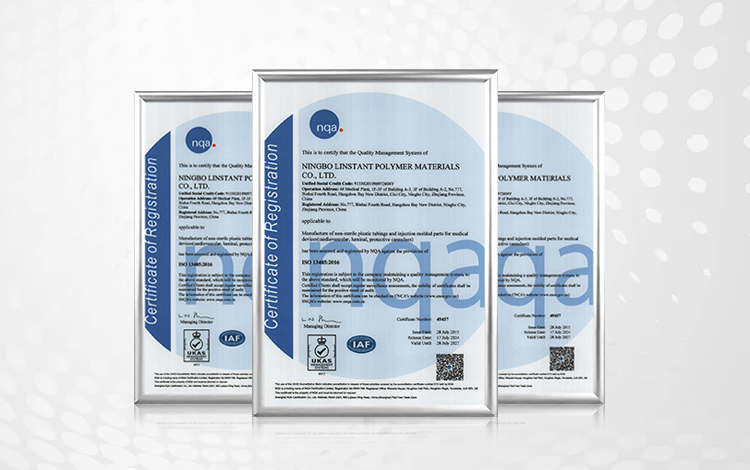
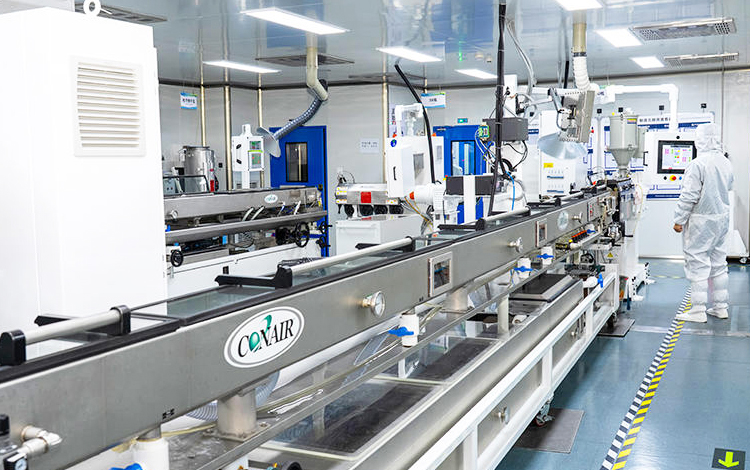
Un microcathéter de 2,7 Fr peut réussir un test de suivi en ligne droite et se plier quand même la première fois qu'il rencontre une artère iliaque tortueuse. Lorsque cela se produit, le maillon faible est rarement l’extrémité distale molle. C'est l'hypotube formant la tige proximale, le composant qui décide de la quantité de poussée et de couple qui atteint réellement la pointe et de la quantité perdue en raison de l'ovalisation, du flambage ou de la rupture de liaison. Les hypotubes font également partie des parties les plus mal spécifiées d’une nomenclature de cathéter. Les numéros de calibre sont mélangés avec des légendes millimétriques, l'épaisseur de paroi est indiquée sans tolérance et un motif de coupe est choisi à partir d'une photographie au lieu d'un objectif de rigidité. Les sections ci-dessous expliquent ce qu'est un hypotube, comment se comparent les options en acier inoxydable, COUP D'OEIL et polyimide, quelles dimensions comportent le risque réel d'approvisionnement et ce qu'il faut vérifier avant de valider un bon de commande. Qu’est-ce qu’un hypotube ? Un hypotube est un tube de précision à paroi mince avec un petit diamètre extérieur par rapport à sa longueur, utilisé comme tige poussant et transmettant le couple d'un cathéter, d'un fil guide, d'une aiguille ou d'un système d'administration. Le mot vient du tube hypodermique, l'acier inoxydable étiré derrière la fabrication des aiguilles, et il couvre désormais tout tube de qualité tige effectuant le même travail mécanique, y compris les versions en polymère et en composite renforcé. Deux orthographes apparaissent sur les dessins et les bons de commande. L'hypotube désigne généralement le produit de l'usine : des longueurs droites ou des bobines de tube étiré dans un calibre nominal. Hypotube désigne généralement le composant fini après découpe, profilage laser, ébavurage et passivation. Lorsqu'un fournisseur propose l'un et livre l'autre, vous recevez soit un tube brut que personne ne peut coller, soit un arbre fini évalué sans ses opérations secondaires. Dimensions nominales des hypotubes à paroi mince. L'épaisseur et la tolérance des parois varient selon le fournisseur et selon la désignation de paroi ordinaire, de paroi mince ou de paroi extra-mince. Jauge DO nominale ID nominal Rôle typique de l'arbre 34G 0,16 mm (0,0063 po) 0,08 mm (0,0031 po) Lumières distales fines, passages de microfils 32G 0,23 mm (0,0090 po) 0,10 mm (0,0041 po) Diaphragmes distaux neurovasculaires 30G 0,30 mm (0,0120 po) 0,15 mm (0,0060 po) Membres internes du microcathéter 27G 0,41 mm (0,0163 po) 0,21 mm (0,0083 po) Arbres de refoulement de petit calibre 25G 0,51 mm (0,0203 po) 0,26 mm (0,0103 po) Tiges proximales des microcathéters 23G 0,64 mm (0,0253 po) 0,34 mm (0,0133 po) Tiges de cathéter de diagnostic 20G 0,90 mm (0,0354 po) 0,58 mm (0,0230 po) Éléments internes du cathéter guide 18G 1,27 mm (0,0500 po) 0,84 mm (0,0330 po) Trocart et puits d'accès Matériaux des hypotubes : ce que chaque option vous achète réellement La sélection des matériaux est avant tout une décision en matière de rigidité et ensuite une décision en matière de biocompatibilité. Chaque matériau d'hypotube courant est déjà un matériau de qualité médicale avec un long historique de dispositifs. Le véritable différenciateur est donc le comportement mécanique et le nombre d'étapes de processus dont l'arbre aura besoin par la suite. Acier inoxydable 304 et 304V L'acier inoxydable reste la valeur par défaut. Un module d'élasticité proche de 193 GPa donne la poussée la plus élevée par unité d'épaisseur de paroi, il est visible sous fluoroscopie sans additifs et la base d'approvisionnement en découpe laser est mature. Le coût apparaît en aval : passivation, ébavurage soigné pour contrôler les particules et joints adhésifs tolérant très peu de contamination de surface. COUP D'OEIL Le COUP D'OEIL se situe au milieu avec un module de flexion proche de 3,8 GPa selon les fiches techniques publiées, environ cinquante fois plus souple que l'acier inoxydable. Il s'agit d'une caractéristique lorsque la tige doit se plier à plusieurs reprises sans se plier, conserver une courbe formée et rester compatible avec l'IRM. Le PEEK est radiotransparent à moins qu'il ne soit mélangé avec du sulfate de baryum ou du tungstène, adhère bien aux gaines en Pebax et en nylon et peut être évasé, incliné ou usiné après extrusion. Pour les tiges où une transition proximale douce ou une compatibilité magnétique est importante, cela supprime entièrement une étape de liaison métal-polymère. Cet aperçu de à quoi servent les tubes PEEK dans les tiges de cathéter couvre des détails de conception supplémentaires. Tube PEEK Le matériau PEEK a une tolérance élevée aux températures et peut fonctionner de manière stable dans un environnement allant jusqu'à 250 Celsius, tout en conservant de bonnes propriétés mécaniques, y compris des s... Voir le produit → Polyimide Le polyimide est le plus rigide des matériaux polymères courants, ce qui en fait la couche de renforcement habituelle dans les microcathéters. Il peut être produit à des épaisseurs de paroi qui s'effondreraient dans la plupart des autres polymères, résiste à la stérilisation à la vapeur et à l'oxyde d'éthylène et conserve des dimensions à des températures qui déformeraient le Pebax. Ses limites sont la fragilité dans les virages serrés et le coût. Tubes médicaux en polyimide Tubes médicaux en polyimide exhibits good strength and wear resistance, maintaining its performance even at small dimensions. For medical surgical applications that deman... Voir le produit → Module de flexion des polymères d'arbre courants (GPa) COUP D'OEIL Polyimide PTFE Pébax 72D 3.8 3.0 0.55 0.51 0 1 2 3 4 Valeurs indicatives du module de flexion tirées des fiches techniques publiées sur les polymères. L'acier inoxydable 304 mesure environ 193 GPa et n'est pas sur l'échelle afin que les différences de polymère restent lisibles. Du tube à la tige : comment un hypotube devient un cathéter Peu de cathéters finis sont constitués d’un seul hypotube du moyeu à la pointe. L'architecture courante est une tige à trois zones : une section proximale rigide qui transporte la poussée, une section centrale renforcée qui transfère le couple et une section distale souple qui suit le fil guide sans blesser la paroi du vaisseau. Hypotube proximal (PEEK ou 304 SS) Arbre intermédiaire renforcé par tresse ou bobine Embout souple distal Vue isométrique schématique d’une tige de cathéter à trois zones. Pas à l'échelle. Les hypotubes métalliques sont profilés par découpe laser plutôt que par changement de matière. Les coupes en spirale, les coupes interrompues et les motifs de fenêtres transforment un tube rigide en un segment flexible, et le pas de la coupe définit le gradient de rigidité. Les arbres en polymère atteignent le même résultat avec différents outils : une couche de tresse ou de bobine, une gaine à duromètre variable ou une coextrusion multicouche. La construction tressée offre l'éclatement et le couple les plus élevés pour une épaisseur de paroi donnée, c'est pourquoi les appareils résistant à la pression l'utilisent. Tube tressé haute pression Les tubes tressés haute pression, ou tubes de surveillance haute pression, sont utilisés pour injecter des produits de contraste et d'autres solutions médicales pendant les procédures PTCA, PCI ou angioplas... Voir le produit → Dimensions et tolérances qui comportent des risques d'approvisionnement La plupart des fuites de qualité des hypotubes sont dues à des problèmes dimensionnels d'empilement plutôt qu'à des problèmes matériels. Quatre nombres déterminent si un arbre s'assemble et fonctionne : le diamètre extérieur, le diamètre intérieur, l'uniformité de la paroi et la position de la fonction de coupe. Valeurs typiques indiquées dans les spécifications de la tige du cathéter. Les limites acceptables dépendent de la classe de l'appareil, de l'épaisseur de la paroi et de la méthode d'assemblage. Il convient donc de les convenir par écrit avant de couper l'outillage. Paramètre Communément spécifié Pourquoi c'est important Tolérance DO ±0,013 mm (±0,0005 pouces) S'insère à l'intérieur du cathéter de guidage ou de la gaine extérieure ; écart entre les lignes de liaison Tolérance d'identification ±0,013 mm Passage de fil ou d’appareil ; taux de rinçage et d'injection Uniformité des murs 90 % du mur nominal ou mieux Performances de pliage et d'éclatement en flexion Rectitude (cambrure) Généralement 0,05 mm par 100 mm Orientation de la pointe, suivi, alignement de la bande de marquage Position de la fonction de coupe ±0,1 mm Point de transition de rigidité et concentration des contraintes État des bords Sans bavure, ébavuré, passivé Génération de particules et abrasion du fil guide Finition superficielle Ra 0,4 µm ou mieux une fois électropoli Friction, adhésion, thrombogénicité Trois risques apparaissent de manière récurrente. Premièrement, les légendes de jauge et métriques sont mélangées : une exigence de 25G et une exigence de 0,51 mm sont proches mais pas identiques, et la différence apparaît au niveau du joint de liaison. Deuxièmement, la tolérance est indiquée sans méthode d'inspection, et ±0,013 mm signifie des choses différentes de celles d'un micromètre laser, d'un comparateur optique et d'un tampon jauge. Troisièmement, la cambrure et l'uniformité des parois ne sont pas prises en compte dans le dessin, même si elles expliquent une part disproportionnée des plaintes liées au vrillage et à l'orientation des pointes. Hypotubes en métal ou en polymère : choix par fonction Si l’exigence est une poussée maximale dans le plus petit diamètre possible, l’acier inoxydable l’emporte toujours. Si la tige doit se plier à plusieurs reprises sans se plier, rester utilisable dans une suite d'IRM, éviter une liaison métal-polymère ou passer à un embout souple sans joint, un hypotube en polymère ou en composite renforcé est généralement la meilleure réponse. La comparaison ci-dessous évalue chaque matériau de 1 à 5 sur les cinq critères qui déterminent la plupart des évaluations de conception d'arbres. COUP D'OEIL Polyimide Acier inoxydable 304 Rigidité Flexibilité Résistance à la torsion Compatibilité IRM Facilité de collage Poussée et couple : L'acier inoxydable 304 donne le meilleur par unité de mur ; Le PEEK et le polyimide nécessitent une paroi plus épaisse ou une couche tressée adaptée. Résistance à la torsion: les polymères gagnent dans les rayons de courbure serrés ; le métal dépend du motif de coupe et du pas. Radio-opacité : l'acier inoxydable est visible par défaut ; les tiges en polymère nécessitent un composé radio-opaque ou des bandes de marquage. Collage : les arbres en polymère se lient thermiquement ou par solvant aux gaines, tandis que le métal nécessite un adhésif ou un soudage ainsi qu'une préparation de surface. Compatibilité d'imagerie : COUP D'OEIL and polyimide work in MRI; stainless steel does not. Structure des coûts : le métal a un coût de matériau inférieur et davantage d'opérations secondaires ; le polymère a un coût de matériau plus élevé et moins d’étapes de processus. Que vérifier avant de passer une commande d'hypotubes Trois chèques attrapent la plupart des surprises coûteuses. Demandez la méthode d’inspection, pas seulement la tolérance. La même légende de ± 0,013 mm se comporte différemment sur un micromètre laser, un comparateur optique et un tampon tampon, alors nommez la méthode sur le dessin. Confirmez si le devis couvre les hypotubes finis ou les hypotubes de longueur usinée. Le profilage laser, l'ébavurage, la passivation et l'inspection sont des éléments distincts et souvent des capacités distinctes. Demandez des données au niveau du lot sur l’uniformité et la cambrure des murs, pas seulement un certificat de conformité. Ces deux variables représentent une part importante des plaintes concernant les torsions et l'orientation des pointes signalées sur le terrain. Pour les programmes qui nécessitent un développement d'arbre plutôt qu'un tube de catalogue, un Programme d'arbre de cathéter OEM/ODM peut couvrir l'ensemble de la chaîne, de l'extrusion et du tressage au profilage laser, au collage et à l'inspection sous un seul système qualité. Cela supprime les arguments qui apparaissent lorsque l'hypotube et la gaine proviennent de fournisseurs différents avec des conventions de mesure différentes. À propos de Ningbo LINSTANT Polymer Materials Co., Ltd. Ningbo LINSTANT Polymer Materials Co., Ltd. a été créée en 2014 et est depuis devenue une entreprise de haute technologie de niveau national avec plus de 500 professionnels. L'entreprise s'engage à transcender le rôle d'un fournisseur de composants traditionnel, en s'efforçant de devenir une partie intégrante des produits de ses clients. De l'adaptation précise pendant la phase de conception collaborative à l'assurance de la fiabilité pendant la fabrication, LINSTANT s'intègre profondément dans la chaîne de valeur fondamentale des produits de ses clients, transformant la technologie des cathéters en un avantage concurrentiel essentiel pour leurs produits. Grâce à une innovation technologique continue et à un contrôle de qualité rigoureux, nous sommes en mesure de fournir aux entreprises de dispositifs médicaux des solutions de systèmes de cathéters personnalisés plus sûres, plus précises et plus avancées technologiquement. L'entreprise travaille dans une salle blanche conforme aux BPF de près de 20 000 mètres carrés et détient la certification ISO 13485:2016 pour la gestion de la qualité des dispositifs médicaux. Les ressources de production comprennent des lignes d'extrusion importées avec une capacité de coextrusion simple, double et triple couche, des lignes d'extrusion PEEK dédiées, des lignes de moulage par injection et une large base installée d'équipements de tressage, d'enroulement, de revêtement, de soudage et de formage. La gamme de produits comprend des tubes médicaux extrudés, des tubes renforcés, des tubes à ballonnet, des tubes thermorétractables, des tubes en fluoropolymère, des composants PEEK et polyimide, des micro-cathéters, des cathéters de guidage et des cathéters d'angiographie, soutenus par des processus secondaires et des services de traitement de surface. Foire aux questions sur les hypotubes T1. A quoi sert un hypotube ? Un hypotube forme la tige pouvant être poussée à l'intérieur des microcathéters, des cathéters guides, des fils guides, des ensembles d'aiguilles et des systèmes de pose d'endoprothèse. Il transmet la poussée et le couple du moyeu à la pointe distale tout en gardant la tige suffisamment fine pour traverser des vaisseaux étroits. Q2. Quelle est la différence entre un hypotube et un hypotube ? L'hypotube est le tube brut d'une longueur d'usine dans une jauge nominale. Un hypotube est le composant fini après découpe, profilage laser, ébavurage et passivation. Vérifiez toujours lequel couvre un devis, car le prix et le délai ne sont pas les mêmes. Q3. Un tube en polymère peut-il remplacer un hypotube en acier inoxydable ? Dans de nombreux puits, oui. Les hypotubes en PEEK et en polyimide suppriment la liaison métal-polymère, ajoutent une compatibilité IRM et améliorent la résistance à la torsion. Ils abandonnent la rigidité axiale, de sorte que les dispositifs plus longs ou à pression plus élevée ajoutent généralement une couche de renforcement tressée ou en bobine. Q4. Quelle est la plus petite taille de tube hypo disponible ? Les jauges hypodermiques standard vont jusqu'à 34G, soit un diamètre extérieur d'environ 0,16 mm et un diamètre intérieur de 0,08 mm. Des alésages plus serrés existent en tant qu'éléments de développement personnalisés, mais à cette échelle, l'uniformité et la manipulation des murs deviennent des facteurs limitants plutôt que le processus de dessin. Q5. Quelles tolérances sont les plus importantes sur un tube hypo personnalisé ? Tolérance OD et ID, uniformité des murs et cambrure. L'uniformité et la rectitude des murs expliquent la plupart des plaintes de torsion et d'orientation des pointes, mais ce sont les deux valeurs les moins souvent inscrites sur un dessin ou confirmées lors de l'inspection à l'arrivée. Q6. Fabriquez-vous des hypotubes et des tiges de cathéter sur mesure ? Oui. LINSTANT extrude et transforme des tubes polymères en PEEK, polyimide, PTFE, FEP, PFA, Pebax et TPU, et fabrique des tiges renforcées, des tubes tressés et des composants de cathéter multicouches sous un système de qualité ISO 13485:2016 en tant que partenaire OEM/ODM. La sélection d'hypotubes récompense les décisions précoces. Fixez l'objectif de rigidité, la limite d'uniformité des parois et la méthode d'inspection avant que l'outillage ne soit coupé, et le reste de l'arbre découle de chiffres plutôt que d'habitude. Que la conception finale soit en acier inoxydable profilé au laser, en PEEK ou en polyimide, ou en composite tressé, ces trois mêmes décisions déterminent son comportement à l'intérieur du récipient. .article-section{margin-bottom:24px;}.article-section h2{font-size:22px;font-weight:bold;text-align:left;margin-bottom:12px!important;}.article-section h3{font-size:16px;font-weight:bold;text-align:left;margin-bottom:12px;}.article-section p{font-size:16px!important;margin-bottom:12px;}.article-section ul{margin-bottom:12px;list-style-type:disc;list-style-position:inside;}.article-section ol{margin-bottom:12px;list-style-type:decimal;list-style-position:inside;padding-left:0;}.article-section li{list-style:inherit;font-size:16px;margin-bottom:6px;}.article-section table{display:table!important;}.article-section thead{display:table-header-group!important;}.article-section tbody{display:table-row-group!important;}.article-section tr{display:table-row!important;}.article-section th{display:table-cell!important;}.article-section td{display:table-cell!important;}.article-section table{width:100%;border-collapse:collapse;margin-bottom:8px;}.article-section caption{caption-side:bottom;font-size:16px;margin-bottom:12px;font-style:italic;color:#808080;}.article-section th{font-weight:bold;border:1px solid #cccccc;padding:8px;}.article-section td{border:1px solid #cccccc;padding:8px;}.article-section .chart-box{text-align:center;margin:16px 0;}.article-section .chart-box svg{width:440px;height:auto;display:inline-block;}.article-section .company-card{background:#eef4f9;border:1px solid #d3e2ee;border-left:4px solid #2b6cb0;border-radius:8px;padding:16px;}.article-section .takeaway{background:#f6f9fc;border-top:2px solid #2b6cb0;border-bottom:2px solid #2b6cb0;padding:16px;}.article-section .faq-grid{display:grid;grid-template-columns:1fr 1fr;gap:12px;}.article-section .faq-item{background:#f4f8fb;border-left:4px solid #2b6cb0;border-radius:6px;padding:12px;}.article-section .faq-item h3{color:#1f4e79;}@media (max-width:640px){.article-section .chart-box svg{width:100%;height:auto;}.article-section .faq-grid{grid-template-columns:1fr;}} .product-card{display:block;margin:20px 0;border:1px solid #e5e7eb;border-radius:10px;overflow:hidden;font-style:normal;background:#fff}.pc-inner{display:flex;text-decoration:none;color:inherit;align-items:center;min-height:120px}.pc-img{width:160px;min-width:160px;aspect-ratio:4/3;height:auto;min-height:120px;object-fit:cover;flex-shrink:0;display:block;align-self:stretch}.pc-body{padding:12px 16px;flex:1;min-width:0;display:flex;flex-direction:column;align-self:stretch;justify-content:center}.pc-title{display:block;font-size:15px;font-weight:600;color:#111;margin:0 0 6px;line-height:1.4}.pc-desc{display:-webkit-box;font-size:13px;color:#6b7280;margin:0 0 8px;line-height:1.5;overflow:hidden;-webkit-line-clamp:2;line-clamp:2;-webkit-box-orient:vertical}.pc-cta{display:block;font-size:13px;font-weight:600;color:#2D6ED7;margin-top:auto}.pc-inner:hover .pc-title{text-decoration:underline} .article-section a:not(.pc-inner),article a:not(.pc-inner){color:#2D6ED7}.pc-cta{color:#2D6ED7!important}



 English
  Français
  Español
  简体中文
简体中文
 简体中文
简体中文



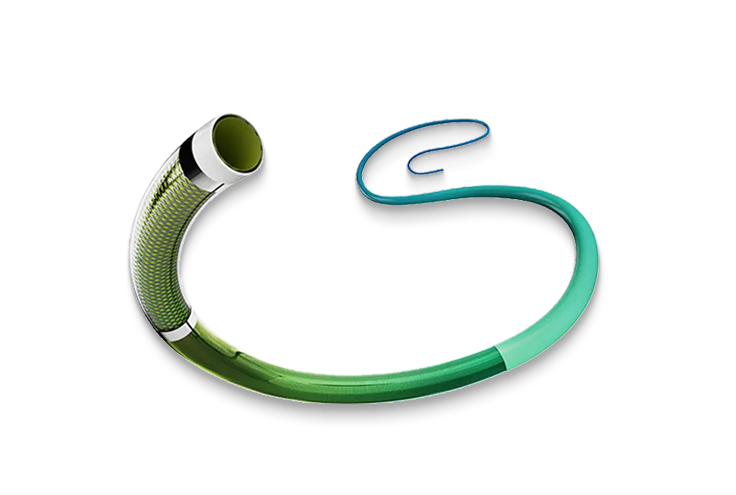
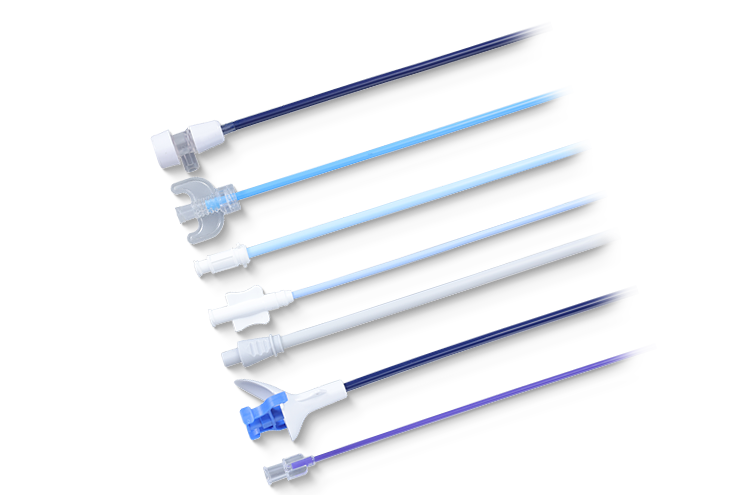
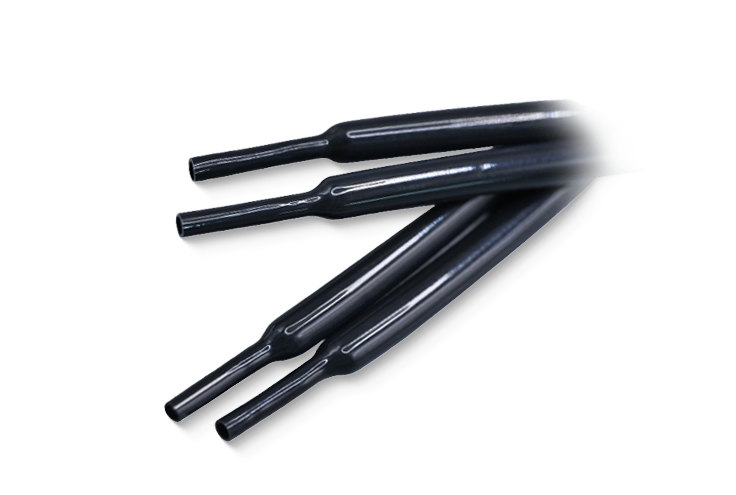
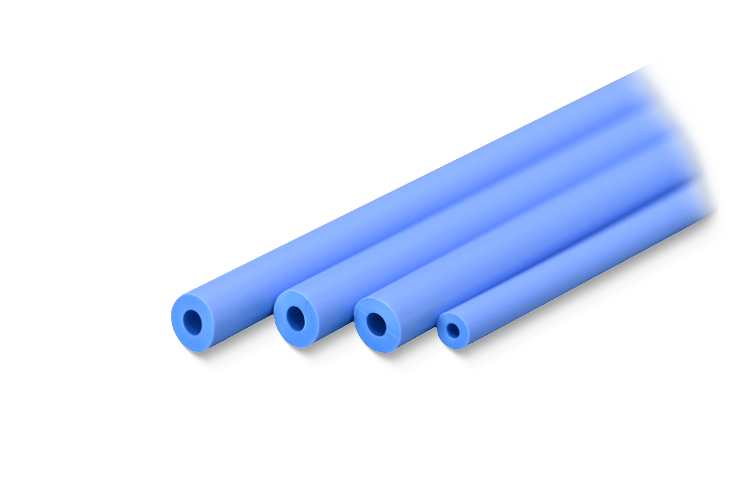








 Neurovasculaire-Micro-cathéter
 Système ophtalmique-Cathéter distal
 Électrophysiologie-Tubes renforcées de tresse
 Cardiovasculaire-Tubes de ballons simples/doubles/triples
 Maladie cardiaque structurelle-Gaine orientable
 Endoscope-Tubes renforcées de tresse
 Urinaire-Tubes de bobine urinaire
 Chirurgie mini-invasive (MIS)-Sonde à ballonnet
 Orthopédie-Tuyau en PEEK
 Vasculaire périphérique-Tubes renforcées de tresse
 Tête
Tête Poitrine
 Hanche
 Hip1
Hip1 membres inférieurs

 CONTACTEZ-NOUS

